


Sustainability data in the same structure as finance
Collect, structure and report ESG data based on the same data truth as your financial reporting.
Sustainability data in the same structure as finance
Collect, structure and report ESG data based on the same data truth as your financial reporting.

How sustainability reporting works in Exopen
Collect
Pull data from internal and external sources.
Structure
Standardise and link to organisation and units.
Combine
Connect sustainability data to financial data.
Report
Use the data directly in reports and follow-up.
Sustainability data as part of the business
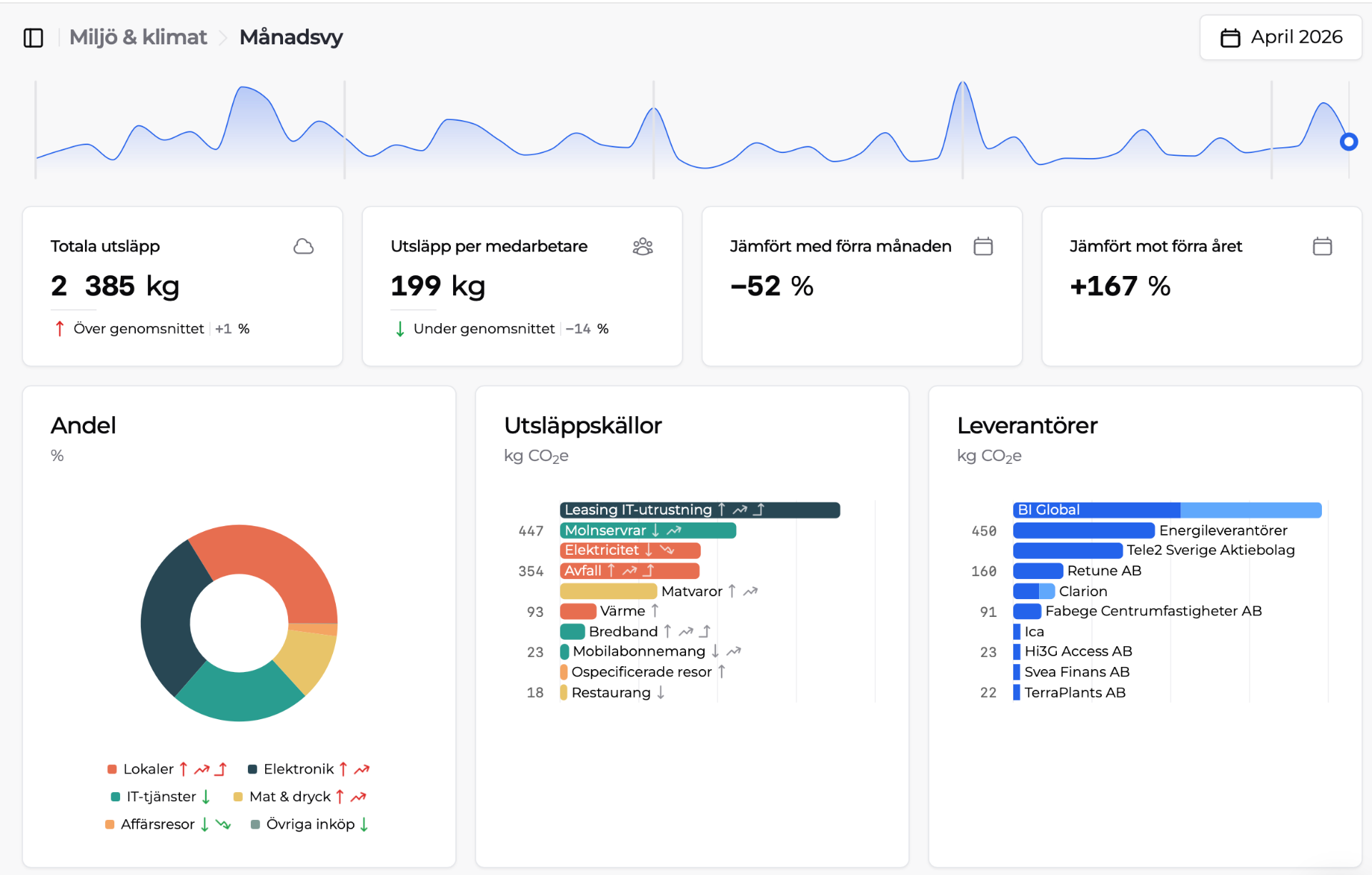
Connect sustainability data with financial and operational data in the same platform via the GoClimate integration. It creates a shared structure for follow-up, analysis and reporting without parallel processes or manual flows.
- Data comparable over time and entities
- ESG and financial data in the same platform
- Analysis based on a shared data foundation
- Reduce manual processes and side flows

Data-driven sustainability reporting
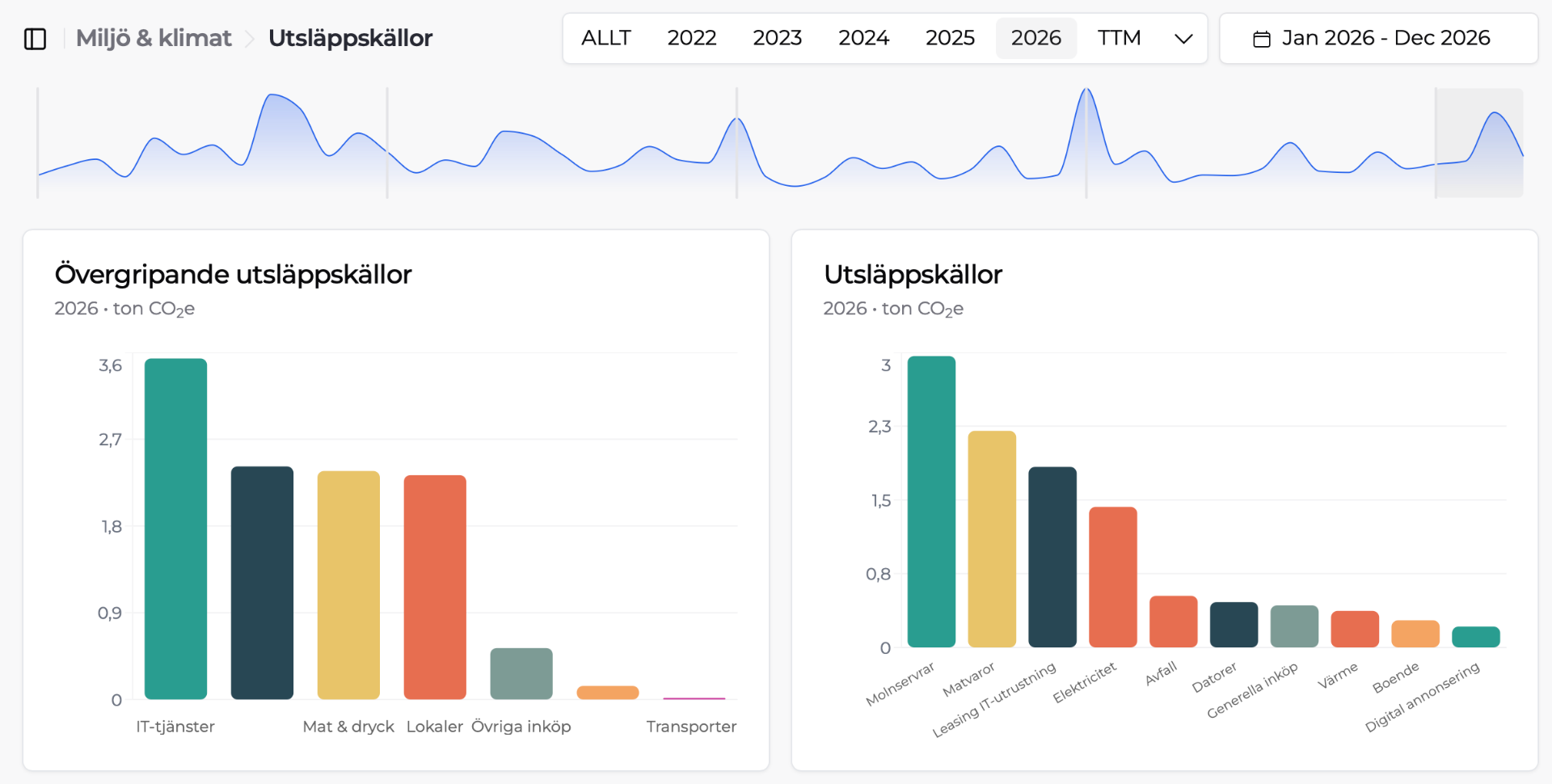
Follow up on sustainability goals continuously and connect ESG work more closely to operations. With a shared data foundation, it becomes easier to reduce manual work, ensure accurate reporting and make decisions based on up-to-date data.
- Track sustainability targets continuously
- Link ESG to business results
- Reduce manual work
- Ensure accurate reporting

Ready for tighter requirements — on the same data truth
Structured to meet requirements
Data organised to meet frameworks like CSRD and ESRS.
Traceable underlying data
Every number can be traced back to the source — auditable from day one.
Simplified reporting process
Same flow every period — no new processes to build from scratch.
One shared view of the business
Sustainability, finance and forecast work against the same data truth.